The Regional Museum of Natural History
Heritage, History & Architecture of Odisha
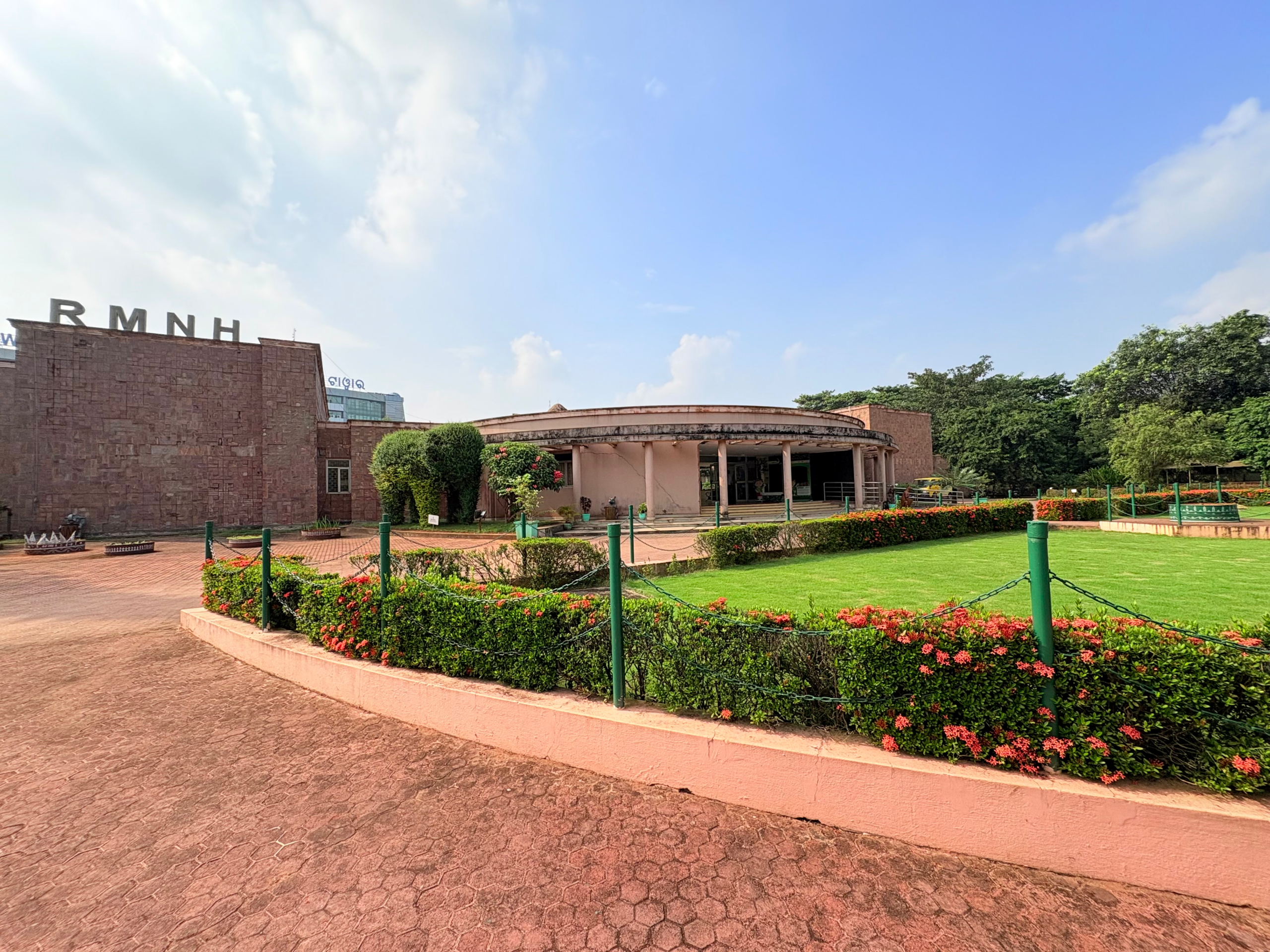
The Regional Museum of Natural History in Bhubaneswar was established in 2004 by the Ministry of Environment and Forests, Government of India.
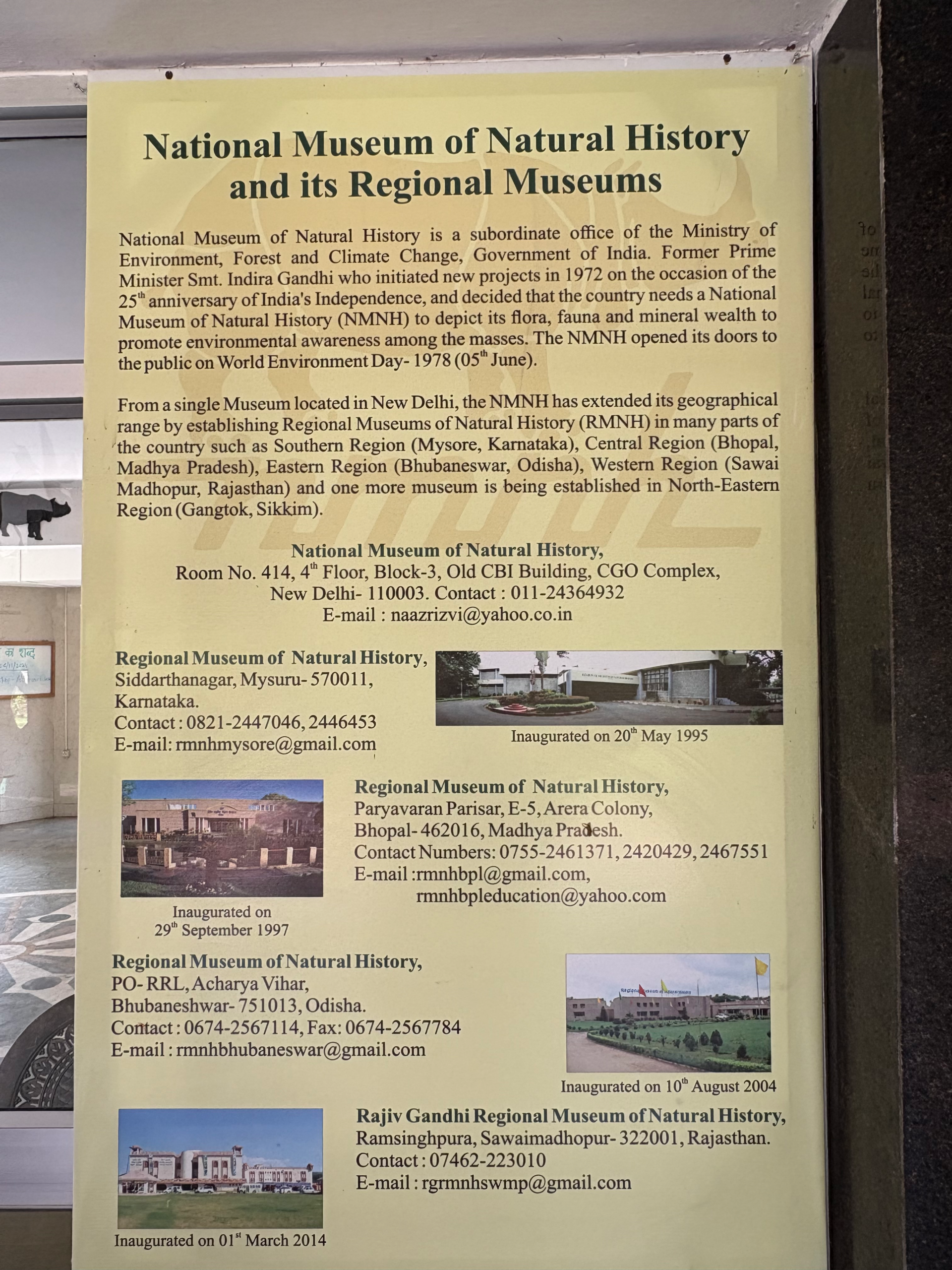
The Regional Museum of Natural History network includes several branches across India, such as in:
These museums highlight the unique ecosystems, wildlife, and natural heritage of their respective regions.
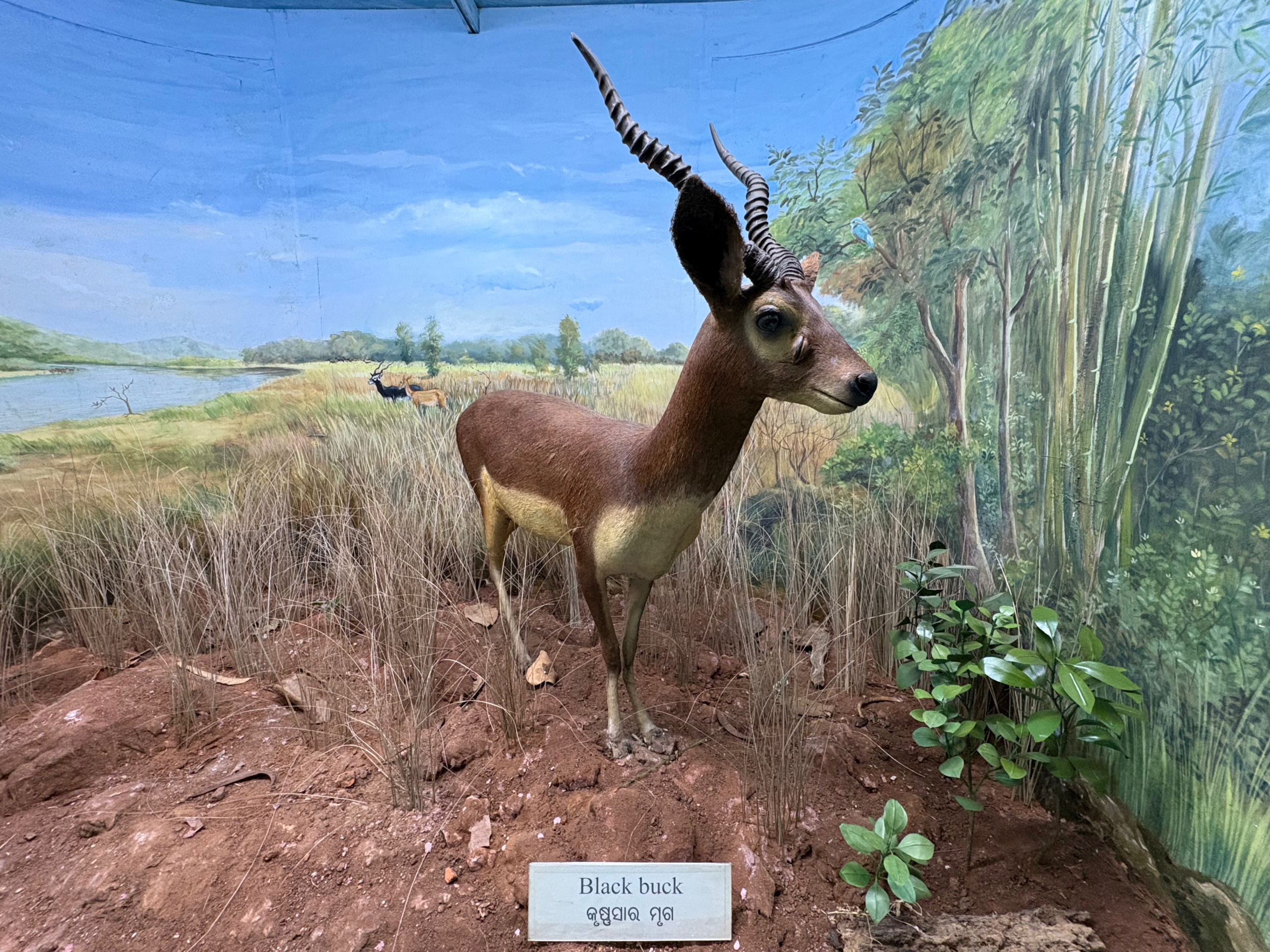
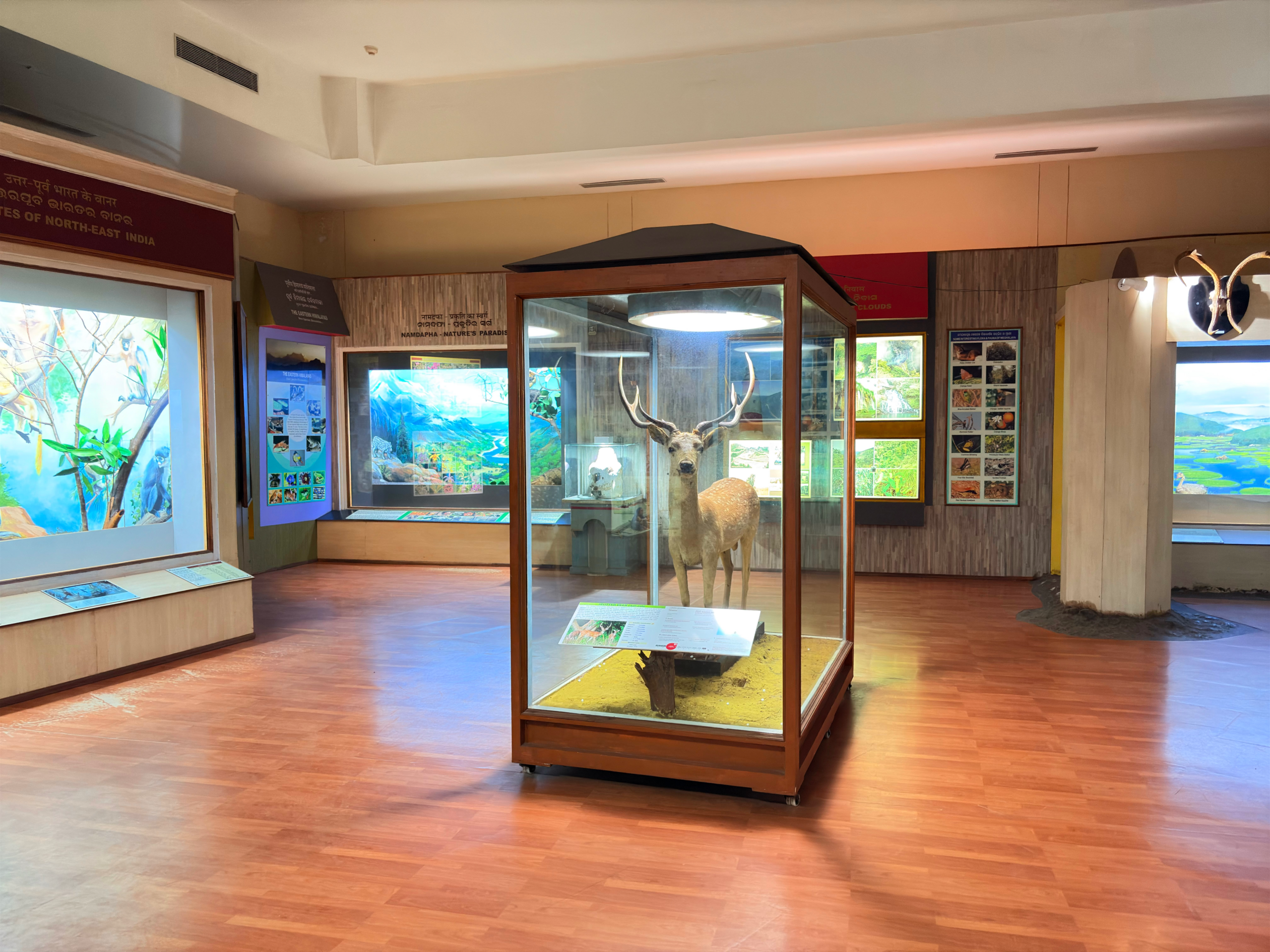
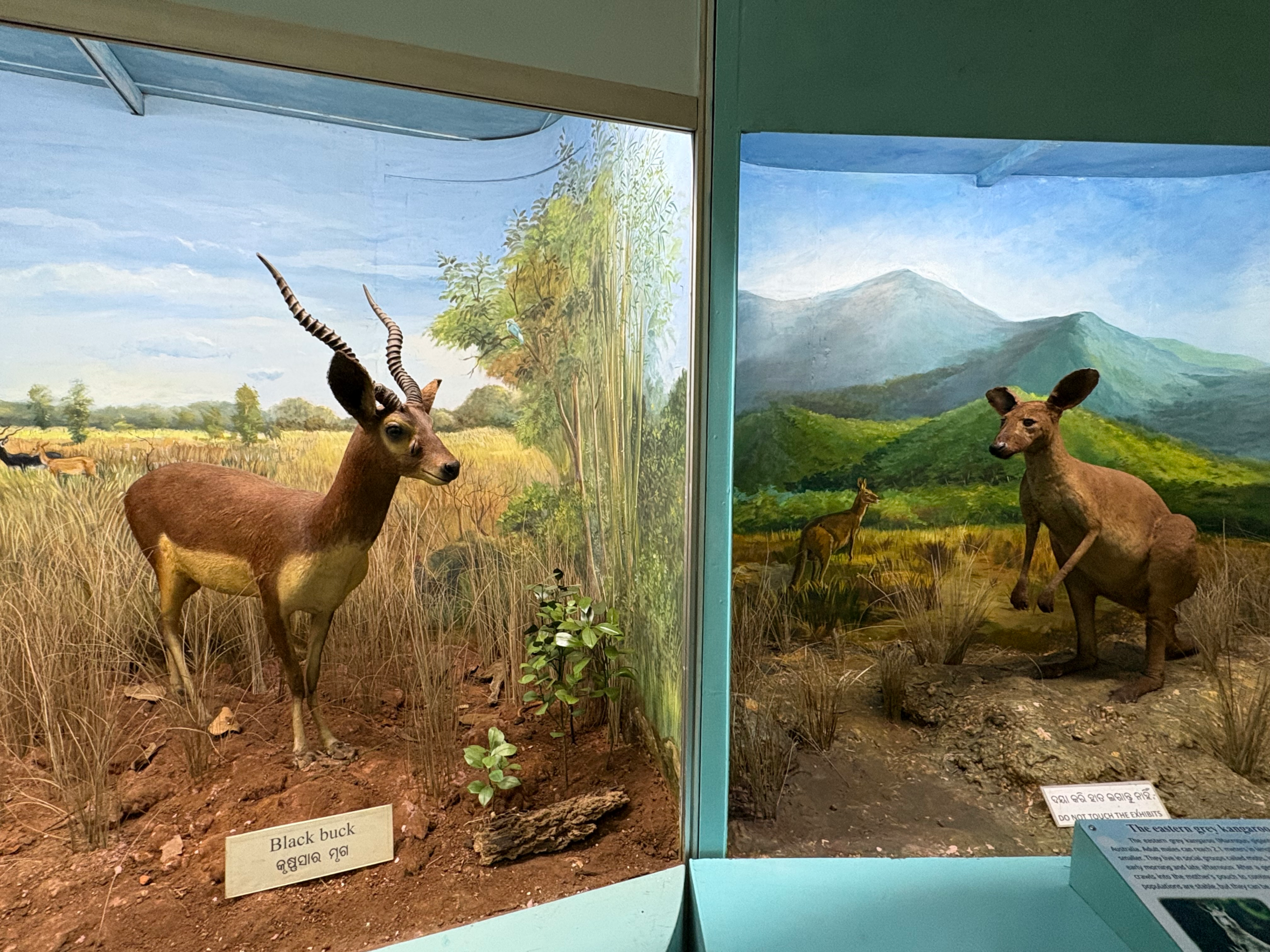
It aims to educate visitors about the natural world, focusing on the rich biodiversity, ecosystems, and environmental conservation.
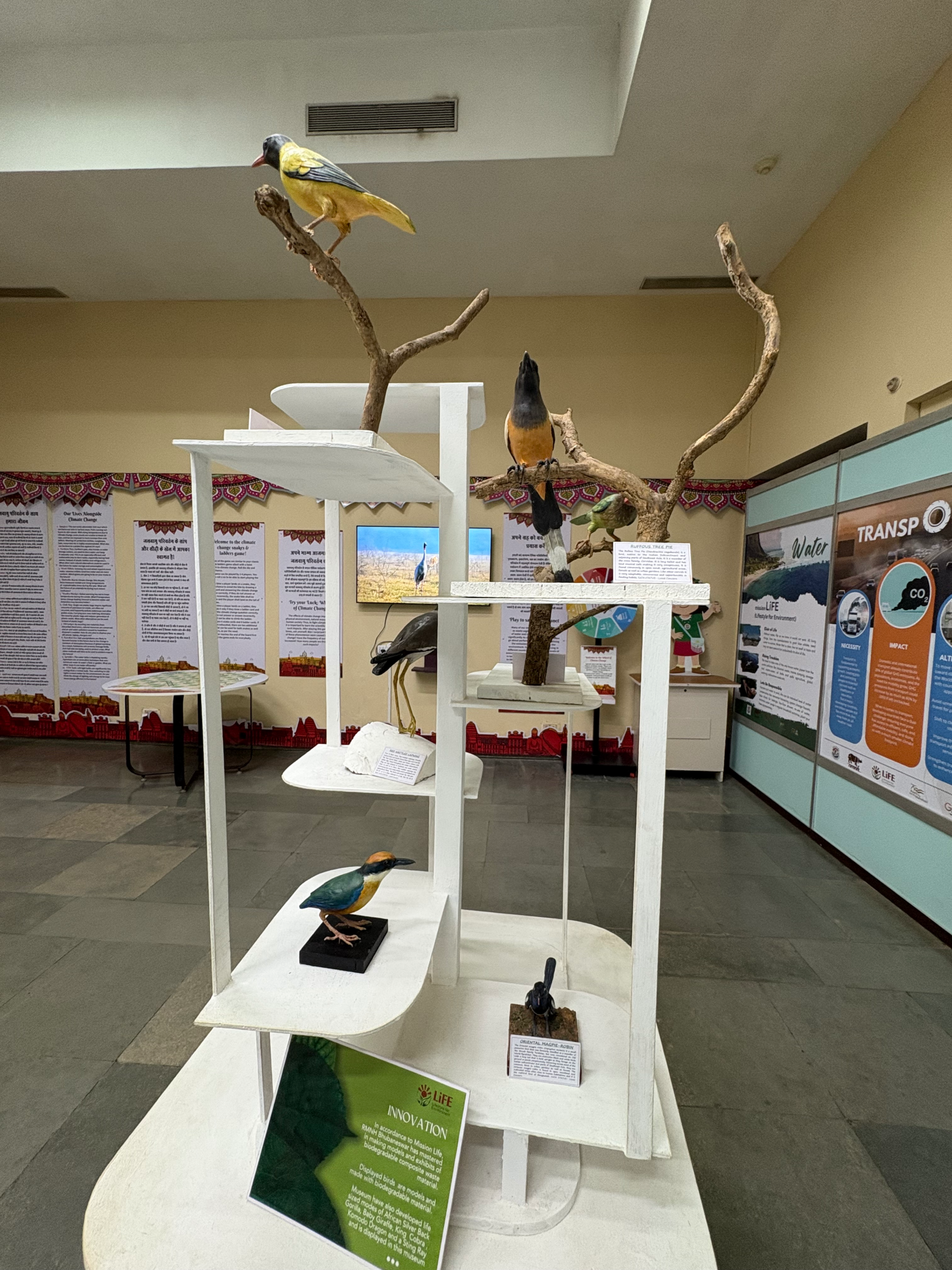
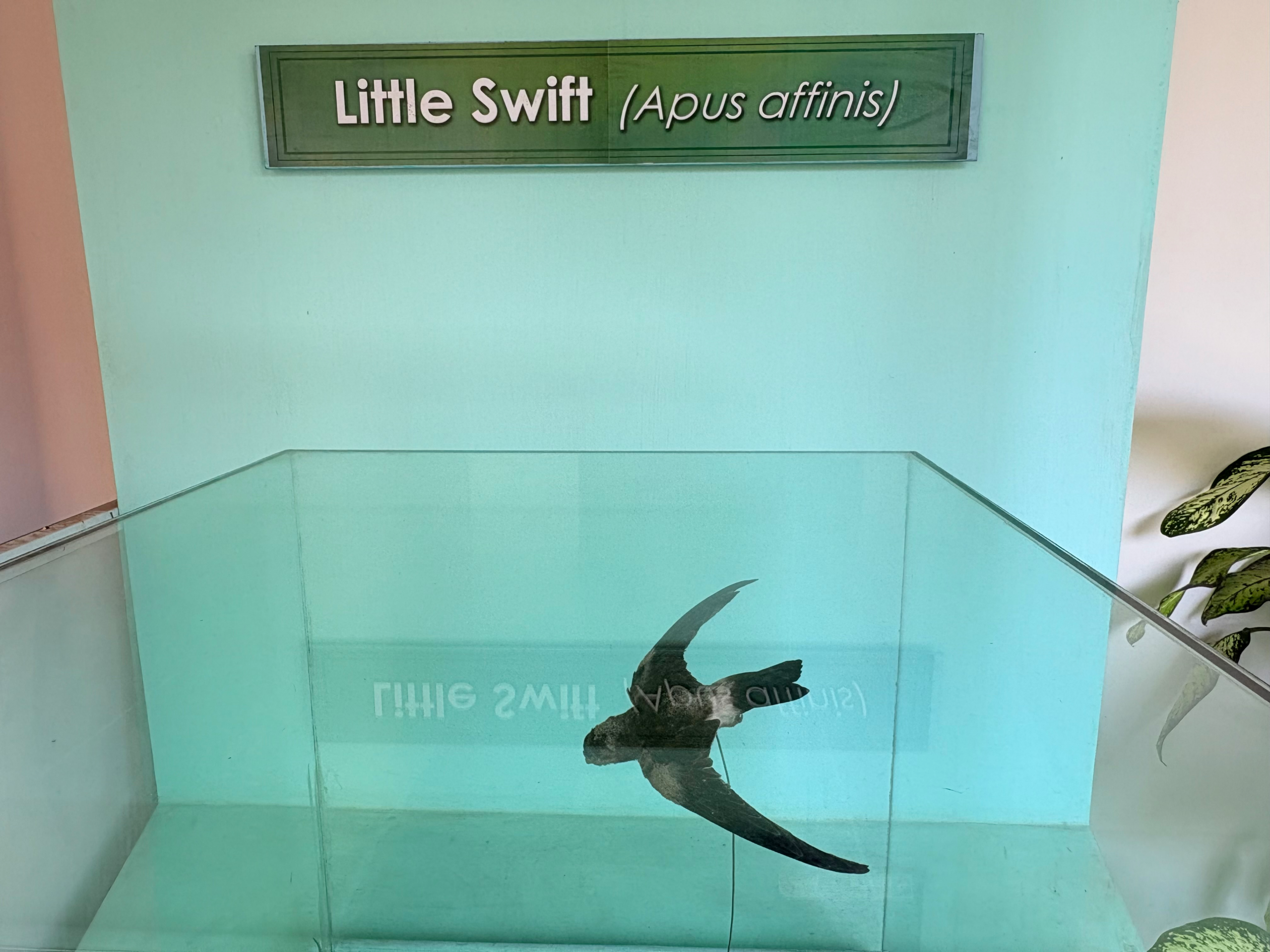
The museum showcases a variety of exhibits, including specimens of plants, animals, and fossils, to promote awareness of nature’s importance and inspire efforts to protect it.
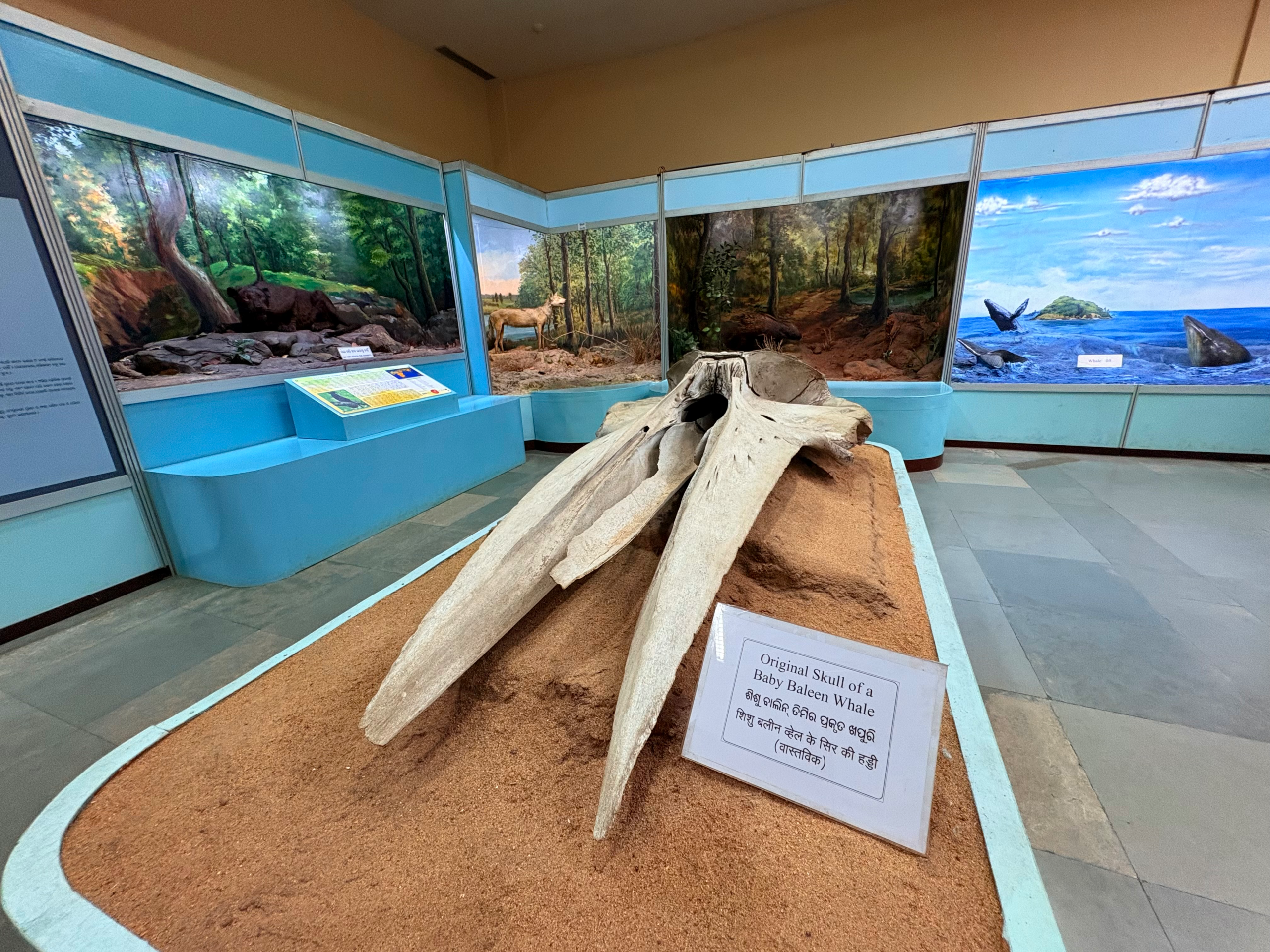
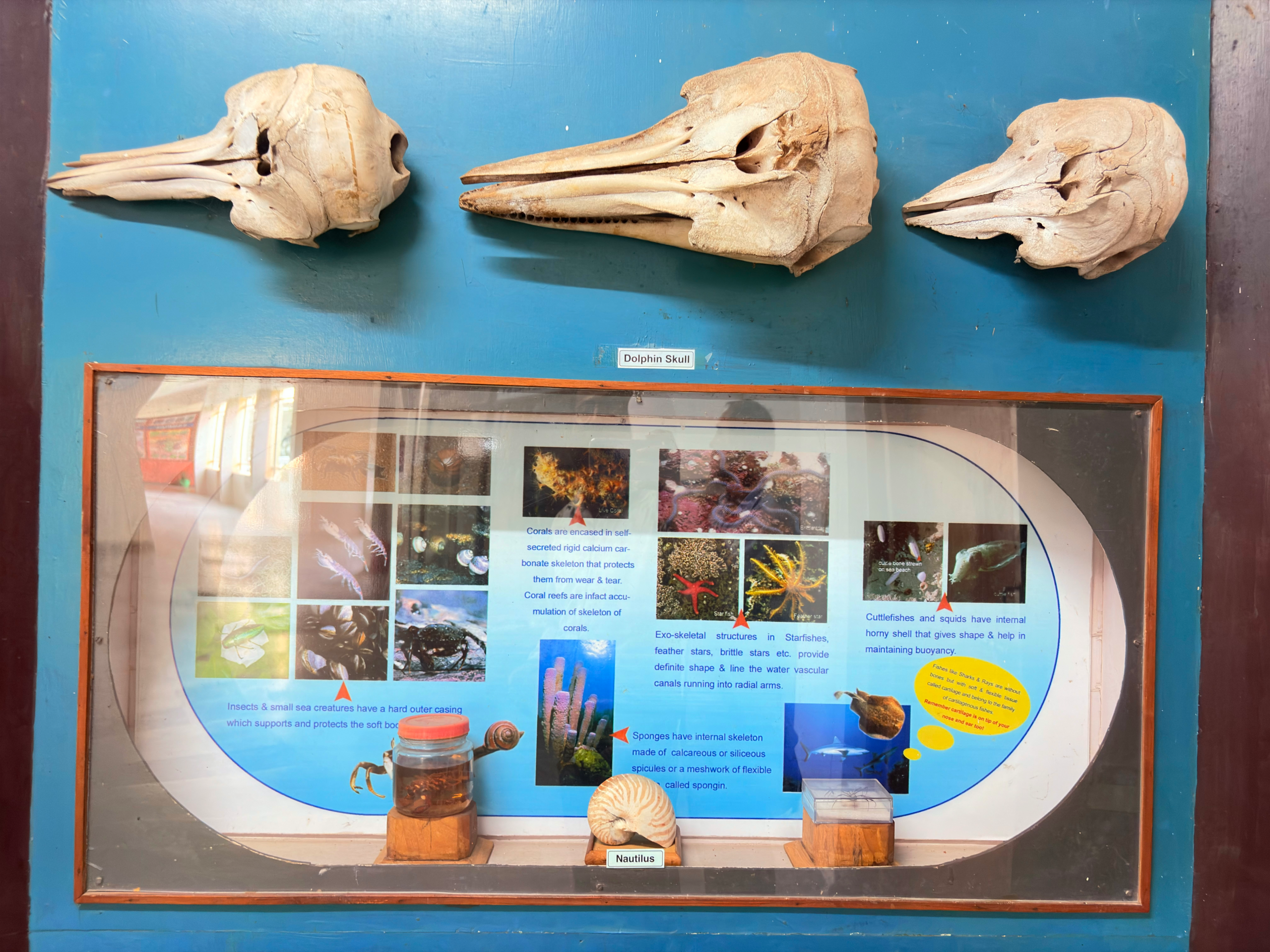
It serves as a resource for students, researchers, and the general public, making science and nature accessible to everyone.
Shankar Elephant
A unique exhibit at the Regional Museum of Natural History in Bhubaneswar is the skeleton of a wild tusker named Shankar, which was sadly shot and hit by bullets.
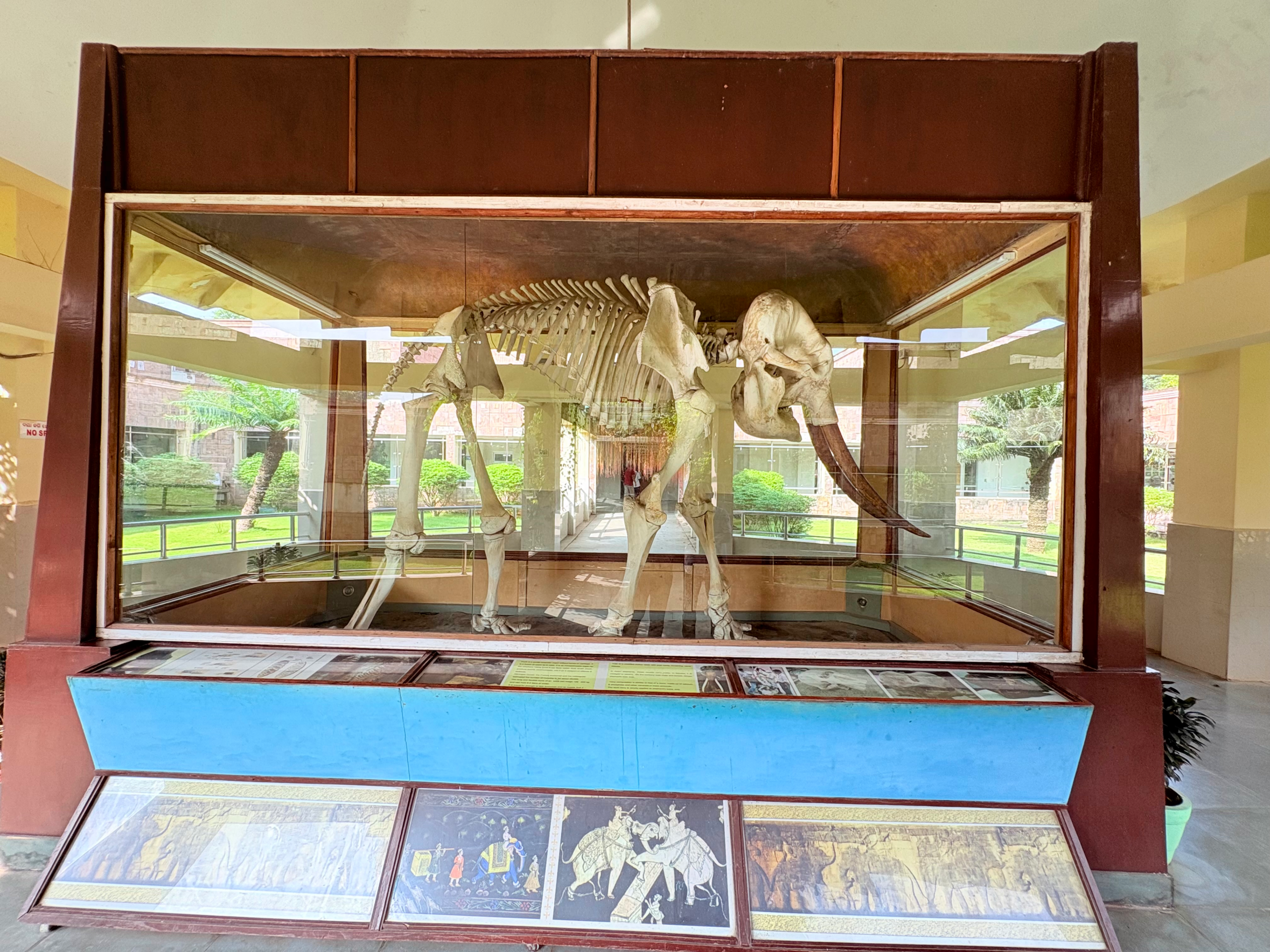
The skeleton is prominently displayed in the museum’s main area.
Skeleton of Rhino
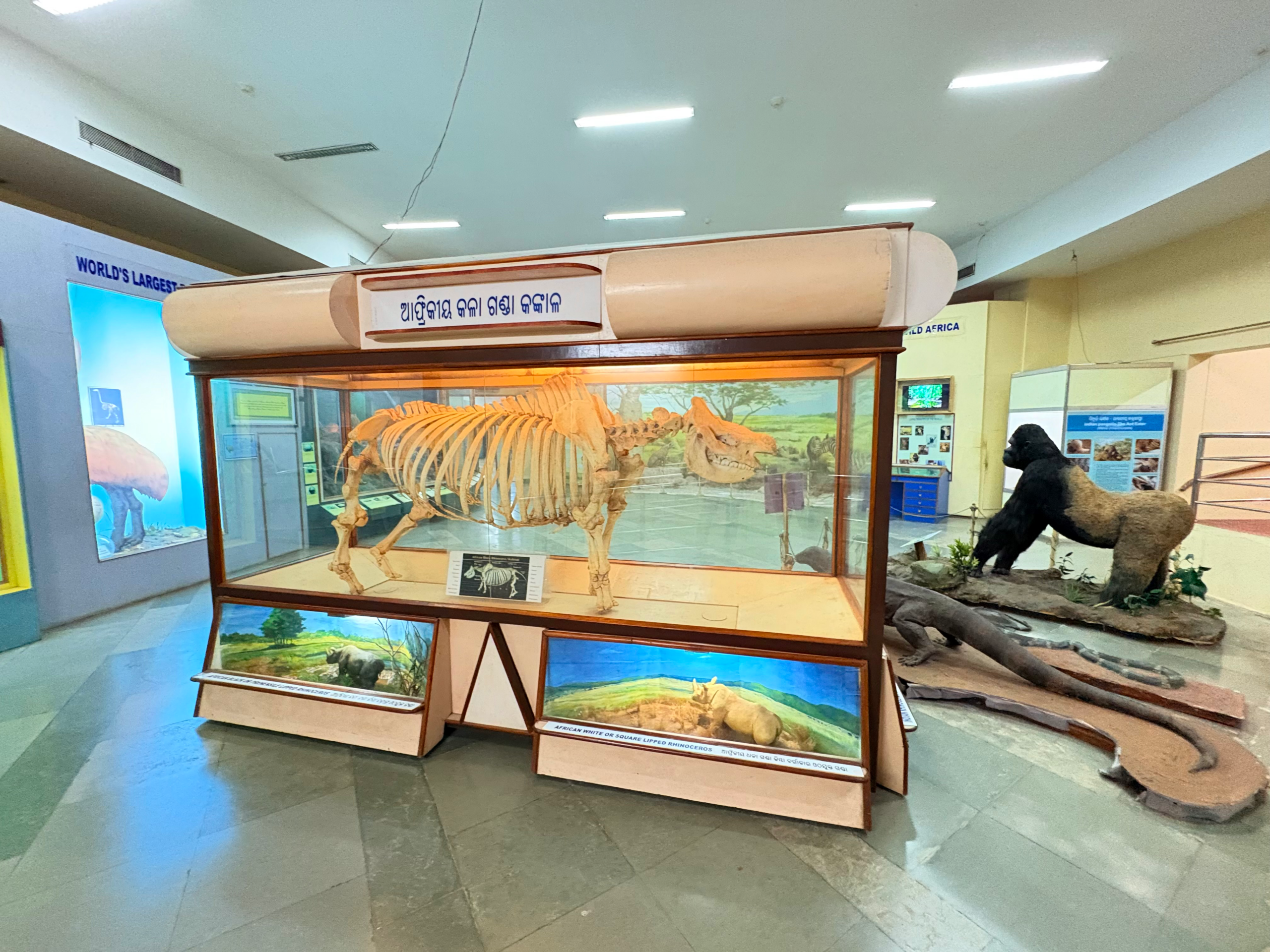
The Museum showcases the complete skeleton of an African black rhino, making it one of the museum’s standout attractions. This exhibit offers visitors a detailed view of the structure and anatomy of this critically endangered species.
Skeleton of Whale
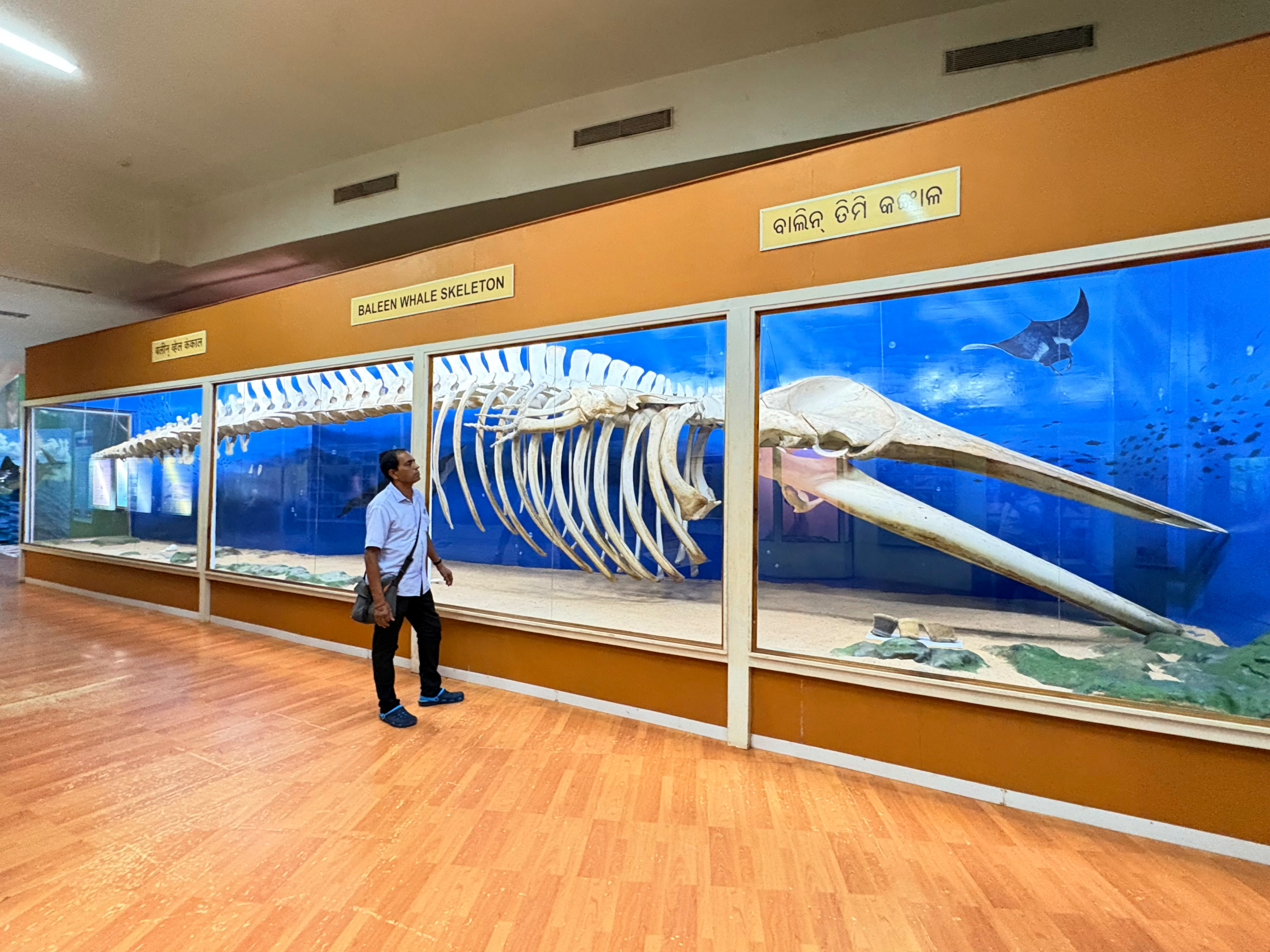
It houses an impressive 47-foot-long skeleton of a baleen whale (Bryde’s Whale), a key attraction for visitors. This massive exhibit highlights the marine biodiversity of the Ocean and offers insights into the anatomy and ecology of these magnificent creatures.
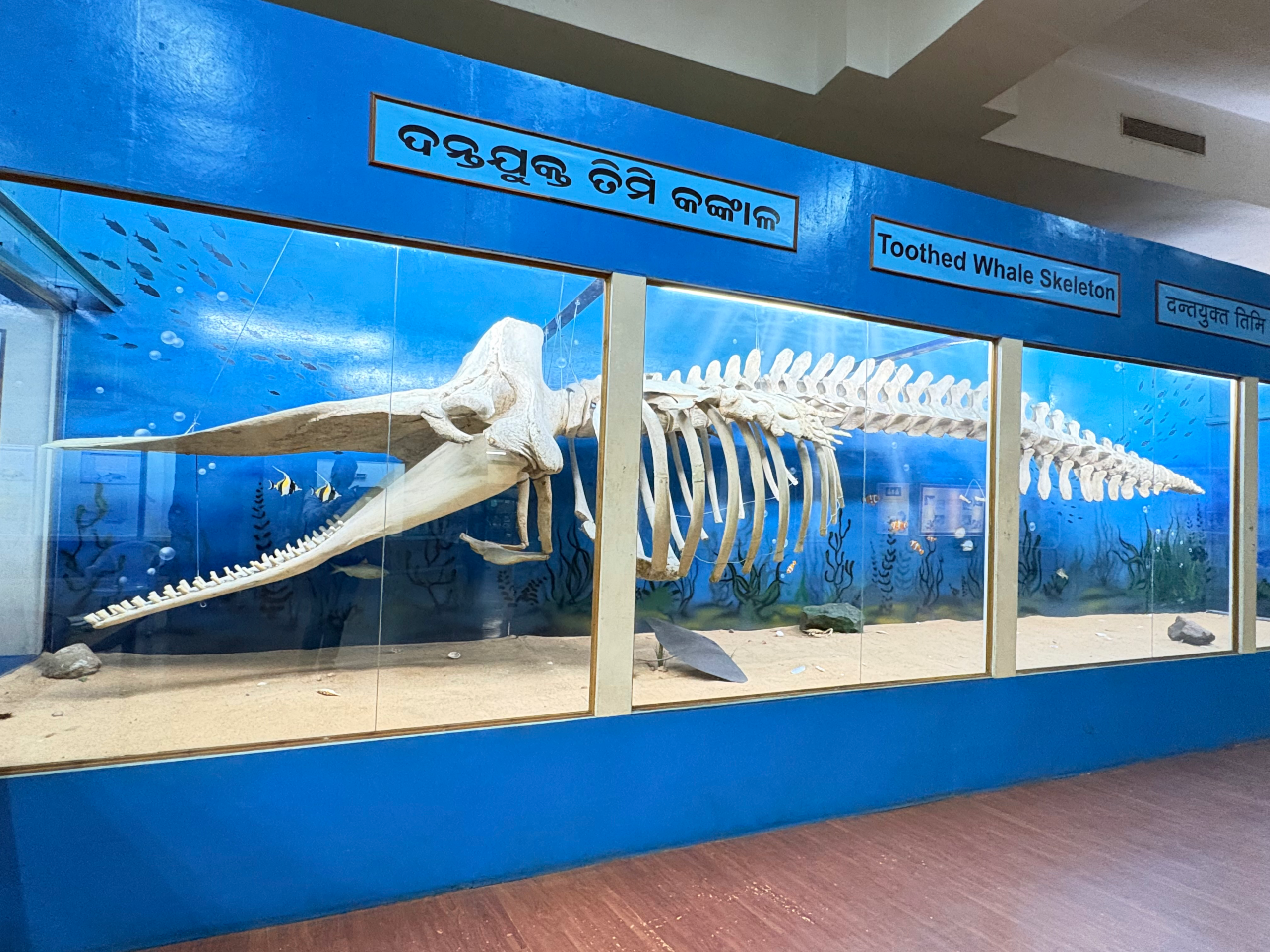
The Museum proudly displays a 32-foot-long skeleton of a toothed whale (sperm whale). This remarkable exhibit showcases the size and structure of one of the largest toothed predators in the ocean.
Butterfly and Insects
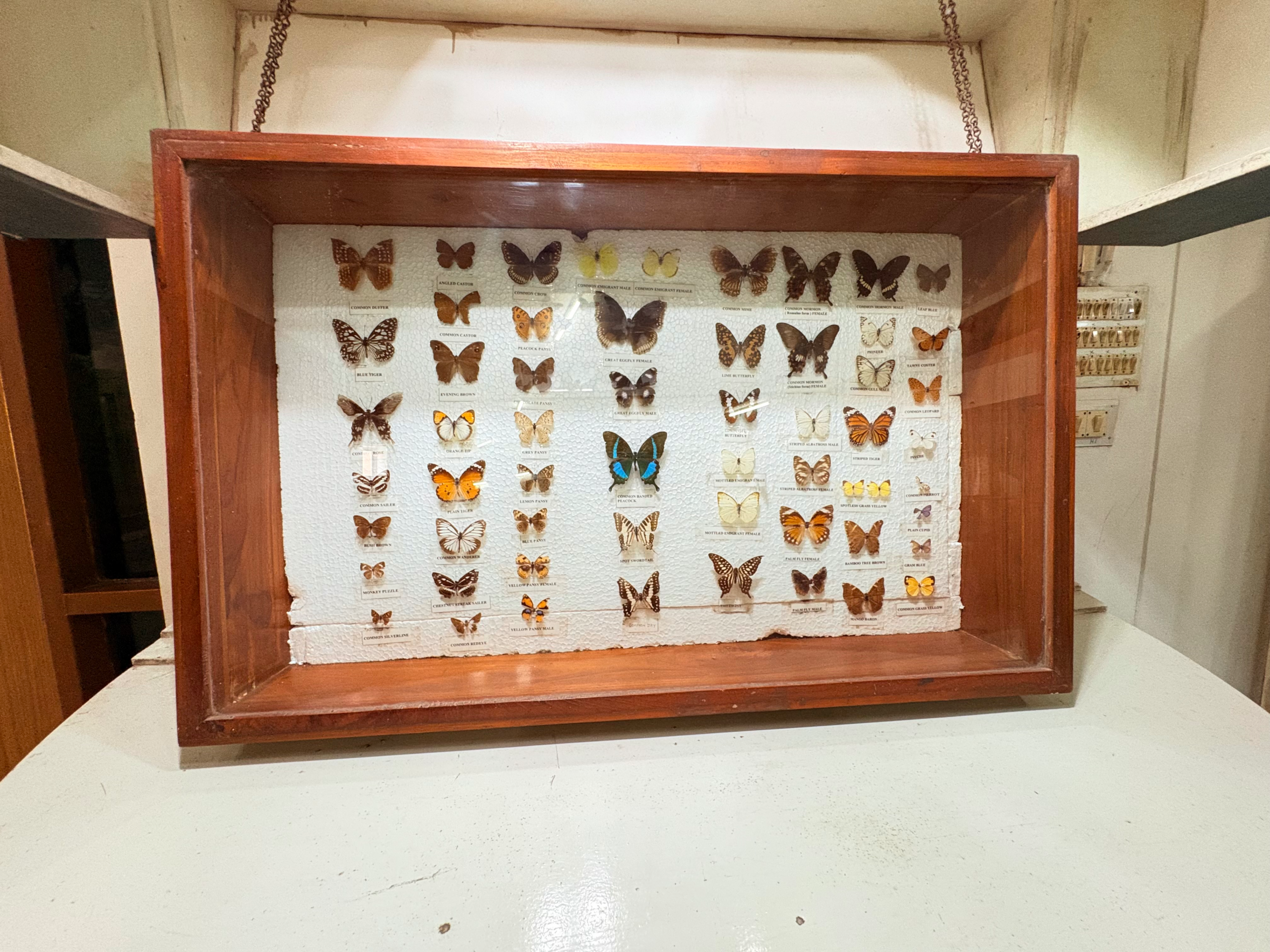
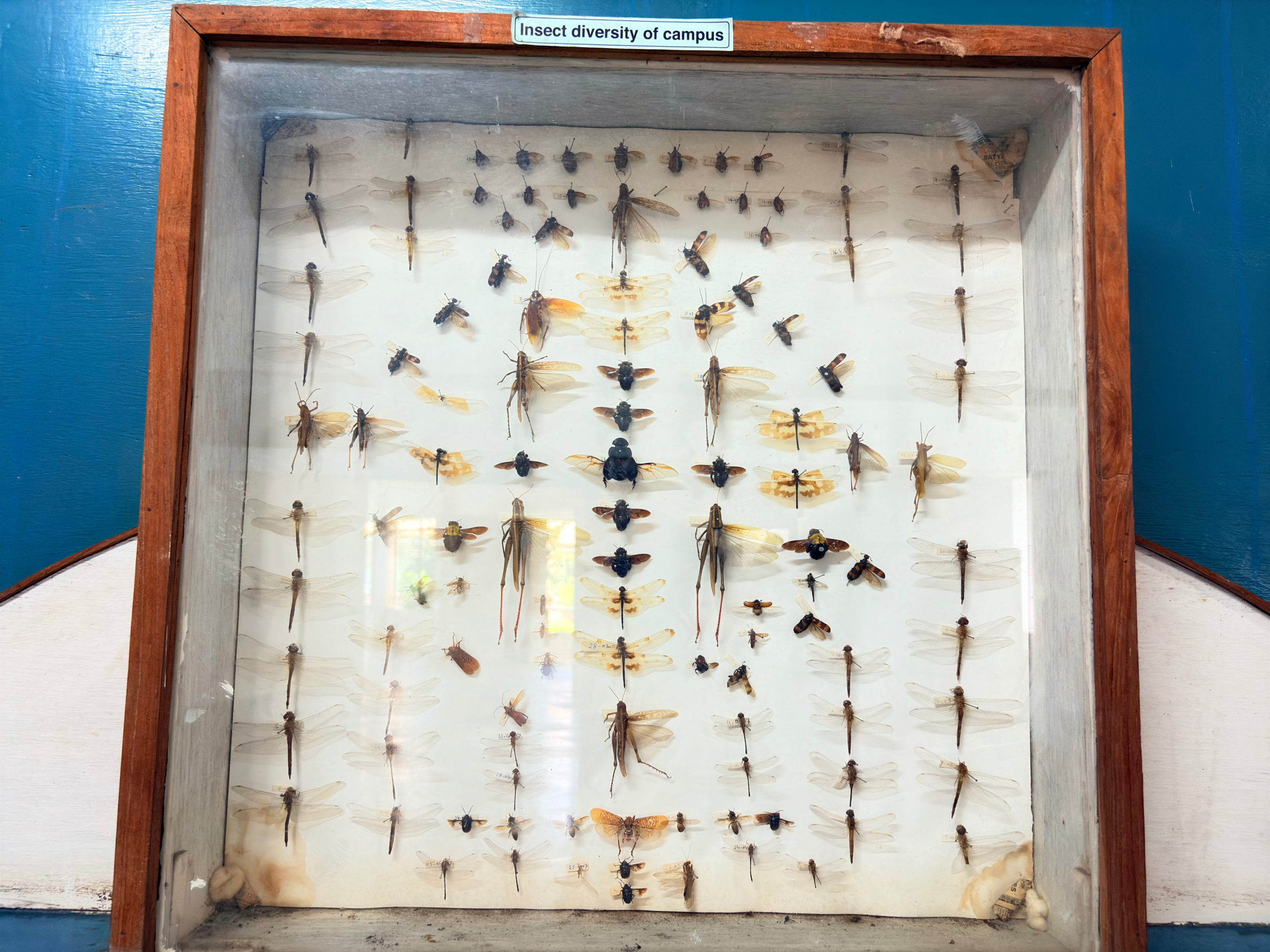
It displays common insects and shows their life cycles to help visitors understand their role in nature.
Marine Creatures
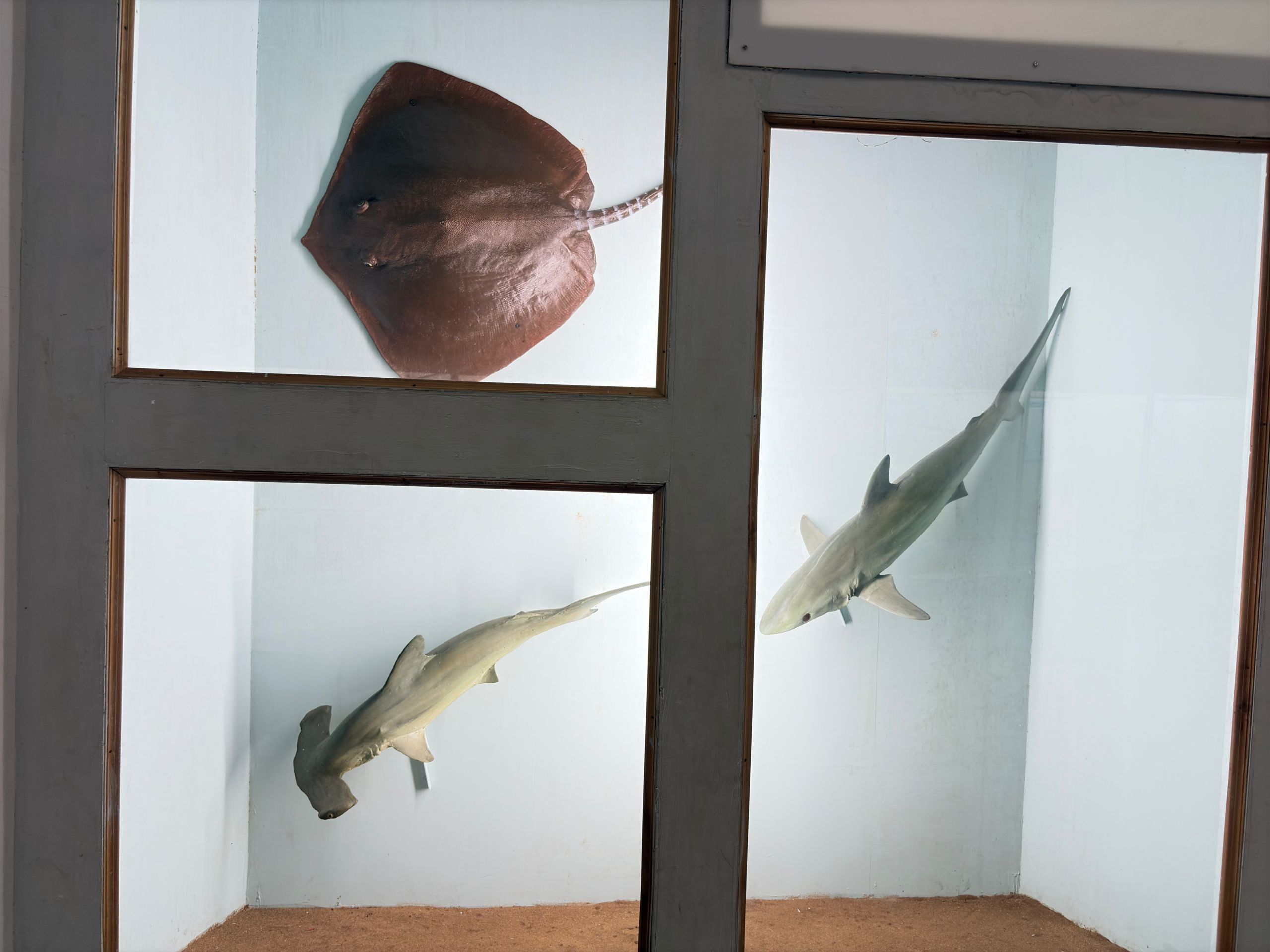
Display of Minerals
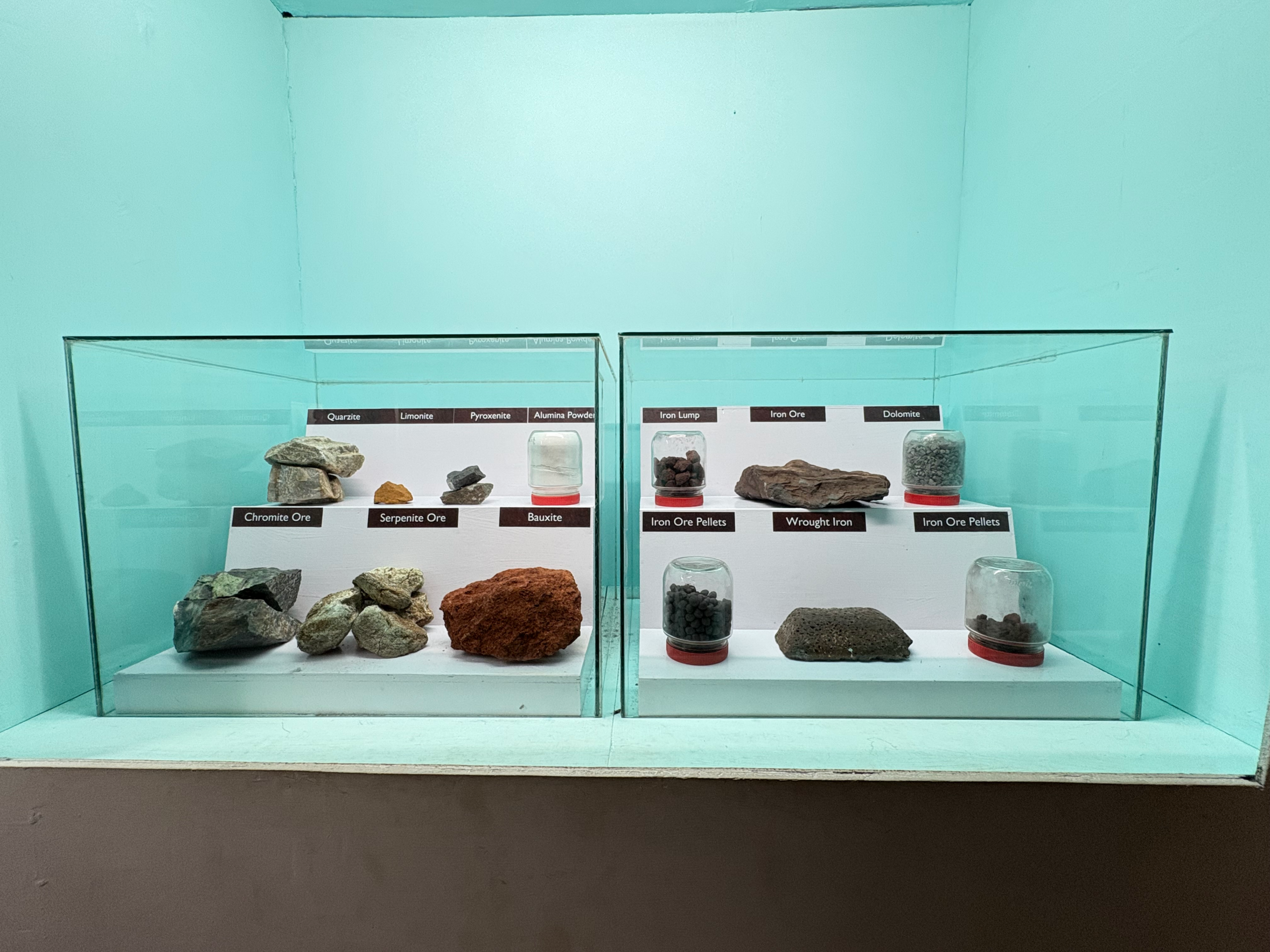
Museum Library
The museum’s library is a valuable resource for students and researchers, housing over 3,000 books on topics such as life sciences, natural history, and encyclopedias. It provides a wealth of knowledge, supporting academic studies and research while promoting a deeper understanding of biodiversity, conservation, and the natural world.
Plan Your Visit
- Open Time: The museum is open to visitors from 10:00 AM to 6:00 PM.
- Holidays: It remains closed on Mondays and on major public holidays, including Republic Day, Independence Day, Gandhi Jayanti, Dussehra, Diwali, and Ratha Yatra.
- Entry Fee: Entry is completely free.