The Odisha State Museum in Bhubaneswar is a key institution that preserves and displays the state's rich cultural heritage. It houses collections of ancient artifacts, art, and traditional crafts.
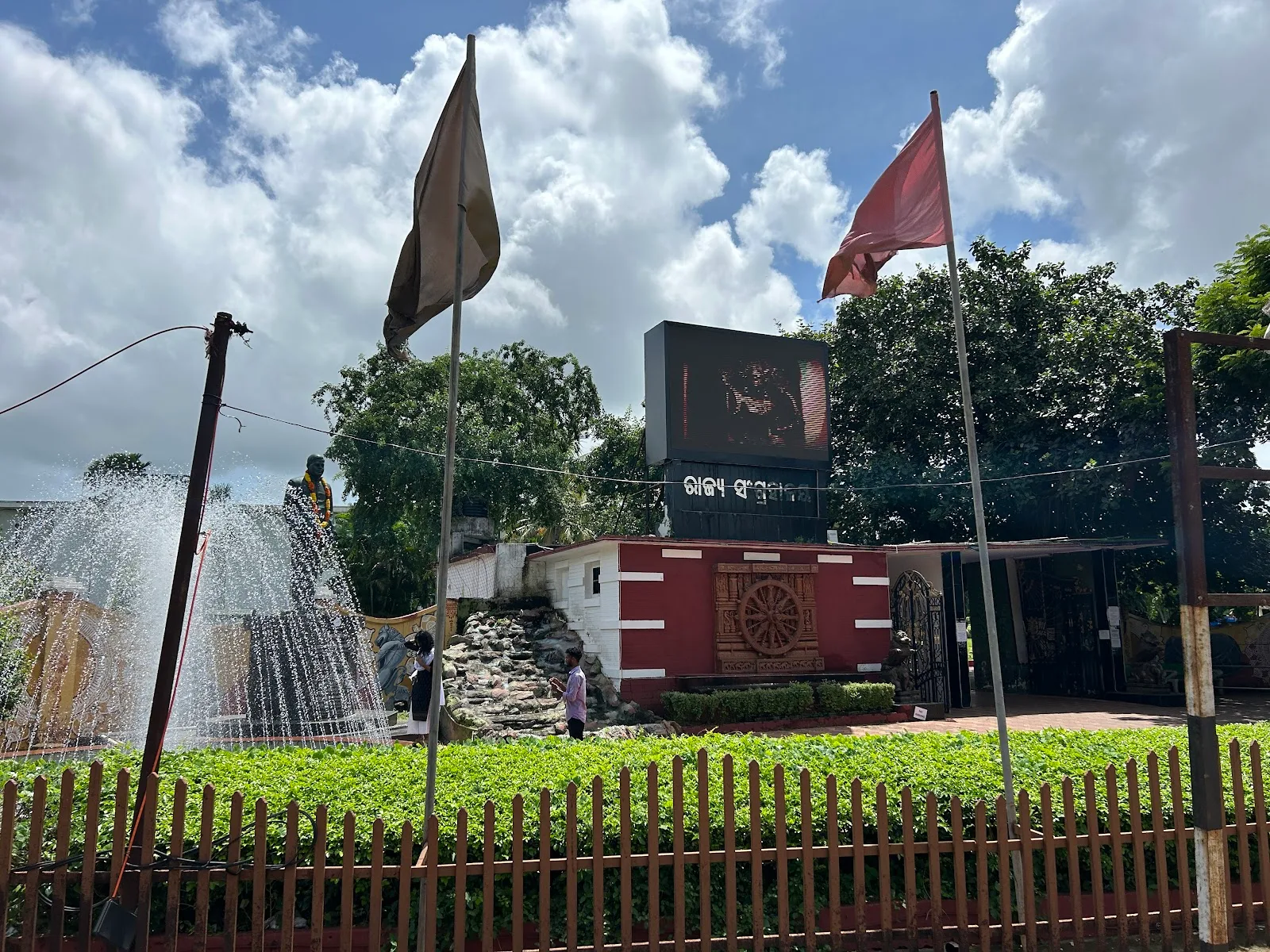
© Photo: Odisha State Museum, Bhubaneswar |
The museum plays a vital role in promoting Odisha's history and culture. It houses a vast collection of artifacts, including archaeological finds, sculptures, coins, manuscripts, paintings, and ethnographic objects, spanning various periods of Odisha's history.

© Photo: Odisha State Museum, Bhubaneswar |
Major sections include:
Archaeology Gallery:
This section houses artifacts from the ancient and medieval periods, including stone sculptures, coins, and inscriptions. The artifacts provide insight into the region’s history, including the rule of various dynasties like the Mauryas, Guptas, and Kalingas.

© Photo: Stone Sculpture, Odisha State Museum |
Art and Craft Gallery:
This gallery highlights Odisha’s traditional crafts, such as Pattachitra paintings, terracotta, and stone carvings. It also features items showcasing the intricate art of silver filigree and tribal arts.
Epigraphy Gallery:
Featuring a vast collection of copper plates and stone inscriptions in various languages, this gallery provides a glimpse into the evolution of language and script in the region, especially Odia, Sanskrit, and Pali.

© Photo: Copper Plate, Odisha State Museum |
Natural History Gallery:
This section focuses on Odisha’s biodiversity, exhibiting a variety of specimens, including flora and fauna, to showcase the natural wealth of the region.
Numismatics Gallery:
The coin collection spans several centuries and includes coins from ancient, medieval, and modern periods. These coins reflect the economic and trade history of the region.
Tribal Gallery:
Odisha is home to a large tribal population, and this section is dedicated to the life, culture, and traditions of Odisha’s indigenous tribes. It exhibits tribal costumes, ornaments, tools, and photographs.
Armoury Gallery:
A fascinating collection of ancient weapons, including swords, shields, and other battle gear, provides a glimpse into the martial history of Odisha.

© Photo: Exhibit, Odisha State Museum |
The Odisha State Museum also hosts temporary exhibitions, workshops, and cultural events to engage visitors and promote awareness of the region's rich heritage. The museum’s educational programs are aimed at encouraging the study of archaeology, anthropology, and the arts.
Odisha State Museum
Location: Kalpana Square, Bhubaneswar
Open: On all working days of Govt. of Odisha, including Sunday.
Close: On Monday